

Staying hydrated is more than just quenching thirst. Water plays a critical role in keeping your body functioning optimally—from regulating blood sugar to supporting heart health and maintaining a healthy waistline. Even mild dehydration can affect key health indicators such as A1C, blood pressure, and waist circumference, making hydration a simple yet powerful tool for overall wellness.
Hydration and Blood Sugar (A1C)
Can being dehydrated cause high blood sugar? Yes! When your body lacks enough water, blood becomes more concentrated or thicker, which can elevate your glucose levels. Research has shown that low daily water intake is associated with an increased risk of developing hyperglycemia (high blood sugar levels) (1). Adequate hydration helps your body maintain normal glucose concentrations and supports proper insulin function, helping your body to work like it was made to. This makes drinking water an important habit for blood sugar control.
Tips for staying hydrated:
-
Drink water consistently throughout the day rather than all at once.
- Include hydrating foods like cucumbers, watermelon, and oranges.
- Keep a reusable water bottle handy as a visual reminder and a simple tool you can use for success.
Hydration and Blood Pressure
Water helps regulate blood pressure by supporting kidney function and maintaining proper blood volume. When your body is dehydrated, blood vessels may constrict, and blood pressure can rise. Adequate hydration ensures that the cardiovascular system can efficiently deliver nutrients and oxygen throughout the body, helping to keep blood pressure within a healthy range.
Simple strategies:
-
Start your morning with a glass of water to kickstart hydration.
- Balance water intake with electrolytes if you sweat heavily during exercise or work in hot environments.
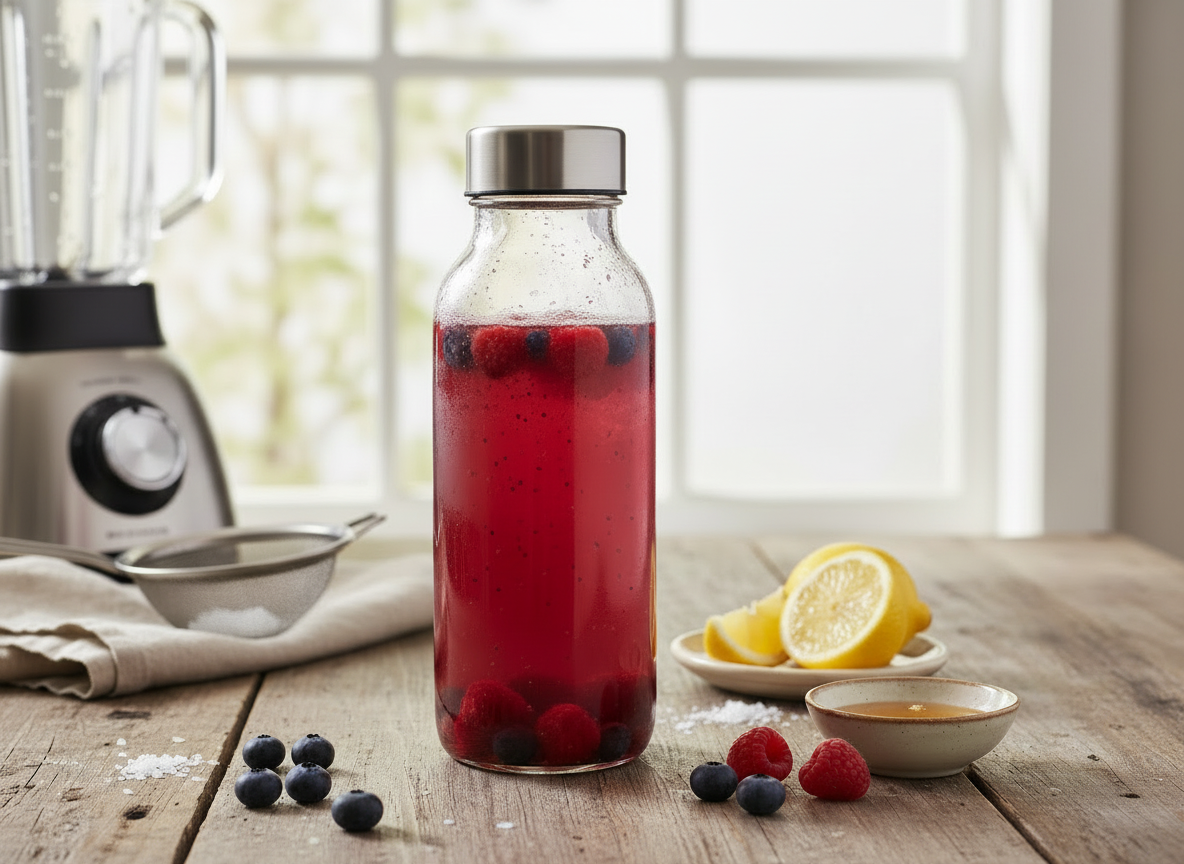
Berry Electrolyte Drink
- 2 cups water
- ½ cup mixed berries
- 1 tbsp honey
- ⅛ tsp sea salt
- ½ tsp lemon juice
Blend, strain if desired, and chill. Adds antioxidants and flavor.
Hydration, Lipids, and a Healthy Waistline
Hydration may also influence lipid profiles and body composition. A study in older adults found that higher water intake and better hydration markers were associated with higher HDL (“happy”) cholesterol and lower LDL (“lousy”) cholesterol and triglycerides (2). Proper hydration supports metabolism, satiety, and fat utilization, which can contribute to a reduction in waist circumference over time.
Practical tips:
- Enjoy a glass of water before each meal to help manage your portion sizes and prevent overeating. However, if you’ve had bariatric surgery, it’s important to talk with your healthcare provider first, as this advice may not be suitable for everyone.
- Swap out sugary drinks for water or unsweetened beverages to nourish your body and give your metabolism a healthy boost.
- Track daily water intake using the myTula App hydration tracker to stay accountable.
How It Works
When you hydrate properly, your kidneys can filter waste more efficiently, blood becomes less concentrated, and hormones that regulate appetite and metabolism work optimally. Staying hydrated keeps vasopressin—a hormone that increases when you’re dehydrated—in a healthy range. This helps support better blood sugar control and reduces the body’s tendency to store fat. (2,3). Together, these effects combine to help maintain healthy blood sugar levels, support blood pressure, improve lipid profiles, and promote a leaner waistline. Even small, consistent hydration habits can help your body maintain a healthy metabolism.
Sending Health Your Way!
The Tula Clinical Team
Reviewed by:
Gaby MD (Venezuela)
Aubree RN, BSN
Austin MS, RDN, CSR, LDN, CD
Tula Takeaways |
|---|
| 1. Hydration Supports Healthy Blood Sugar: Drinking enough water helps keep A1C within a healthy range by preventing blood concentration and supporting insulin function in your body. |
| 2. Water Helps Manage Blood Pressure: Staying hydrated makes it easier for your kidneys and heart to do their jobs! When you drink enough water, your body keeps blood moving smoothly and helps control blood pressure, so your heart stays happy and healthy. |
| 3. Hydration Helps Your Waistline and Cholesterol: Drinking enough water can help you feel full, which makes it easier to avoid overeating. It also helps your body burn fat and is connected to better cholesterol and triglyceride levels, which are important for your heart health. |



The LIVE TULA blog is informational and not medical advice. Always consult your doctor for health concerns. LIVE TULA doesn’t endorse specific tests, products, or procedures. Use the information at your own risk and check the last update date. Consult your healthcare provider for personalized advice.